The Great Bangalore Housing Dilemma
Bangalore draws thousands of tech workers, founders, and skilled hands every single year. This relentless influx has triggered massive, unheard-of demand for housing across the expanding metropolitan region.
The growth of Residential Property Development in Bangalore reflects this swift arrival of global tech workers. Homebuyers face a basic choice between buying a pre-built flat or building an independent home from scratch.
This detailed guide breaks down both choices to help you choose wisely. We examine costs, legal realities, and daily living with local facts and specific numbers.
Financial Breakdown of Initial Capital Outlay
Buying an apartment is a direct transaction with a mostly predictable price tag. Big builders in hubs like Whitefield, Sarjapur Road, and Electronic City set rates using the super built-up area.
This calculation includes shared spaces like corridors, lifts, lobbies, and community halls. Real usable space inside your walls, known as the carpet area, is typically twenty to thirty percent smaller than this quoted size.
Extra costs like parking spots, club access, and power connection deposits quickly add up. Ongoing projects also carry a five percent Goods and Services Tax for luxury builds, raising the final bill.
Building a house demands a completely different two-step funding plan. First, you must buy a piece of land in your chosen neighborhood.
When studying Residential Property Development in Bangalore, you must keep land and construction budgets completely separate. Land in premium spots like Jayanagar, Koramangala, or Indiranagar can cost more than fifteen thousand rupees per square foot.
Newer suburbs like Devanahalli, Chandapura, or Kengeri offer plots for three thousand to six thousand rupees per square foot. Once you own the dirt, you need to fund the actual building process.
Building costs in the city hover between one thousand eight hundred and four thousand rupees per square foot. Top-tier builds feature expensive cement, strong steel, solid teak wood, and marble floors.
Standard builds use local timber and modest tiling to lower the cost. You must also budget for architect fees, soil tests, and temporary water and power connections during the build.
Regulatory Standards in Residential Property Development in Bangalore
Walking through local property laws protects your hard-earned money from bad actors. Apartment buyers have safety nets under the Real Estate Regulatory Authority, which forces builders to register and hit deadlines.
Check the Occupancy Certificate (OC) and Commencement Certificate (CC) from the Bruhat Bengaluru Mahanagara Palike (BBMP) before signing. These files prove the project followed the rules and meets fire safety standards.
A clean A-Khata certificate is vital for easy ownership transfers and future sales. B-Khata properties have unpaid municipal fees or building deviations, which can stop big banks from giving you home loans.
If you build alone, all legal compliance falls on your shoulders. You need an approved building plan from the local municipality before moving any dirt.
This approval requires real blueprints, safety certificates, and clean land deeds. The design must match local rules that dictate empty border spaces and height limits.
Setbacks are the mandatory gaps between your walls and your neighbor’s line. The Floor Area Ratio (FAR) limits dictate how tall or wide you can build based on the road width out front.
Breaking these rules leads to fines, demolition threats, or utility cuts. You must also arrange temporary power from the Bangalore Electricity Supply Company (BESCOM) and buy water from tankers for the workers.
The Construction Journey and Project Management
Choosing a ready flat gives you quick entry and skips the stress of managing workers. Once paperwork is done, you pack your bags and move.
The developer handles the contractors, steel suppliers, and municipal offices. This ease suits busy professionals who cannot spare hours watching over a building site every day.
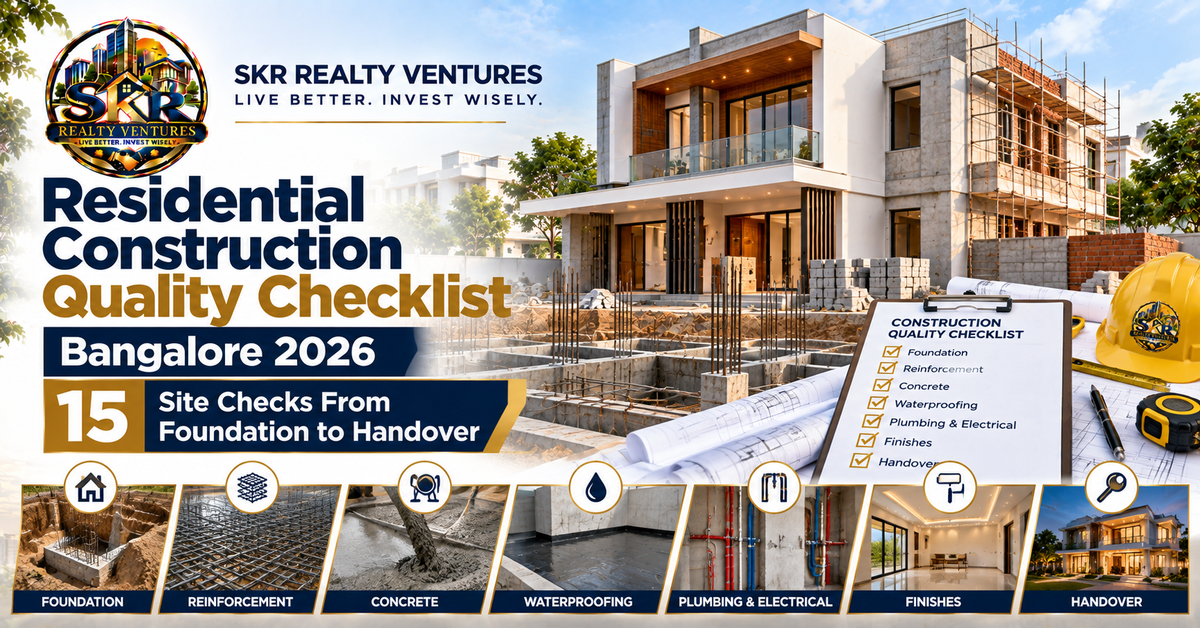
Building a home is a long, hands-on path lasting up to eighteen months. The work starts with digging deep trenches to pour a heavy concrete base.
Managing deliveries of steel, sand, and cement is the toughest part of custom Residential Property Development in Bangalore. Shifting market prices can break your budget unless you watch every single invoice.
You need a trustworthy builder and a solid agreement that lists exact brands and payment stage dates. Regular visits are a must to check the concrete mix and make sure walls are straight and dry.
The final stages require juggling plumbers, electricians, painters, and tilers all at once. One slow crew can stall the entire job for weeks.
Long-Term Asset Appreciation and Resale Dynamics
Past patterns in Residential Property Development in Bangalore prove that raw land values grow much faster than brick-and-mortar flats. Land is limited in this expanding city, keeping demand high for decades.
Owning a house means you own the entire dirt plot, maximizing your net worth over time. The building itself ages and loses value, but the rising price of the land more than makes up for it.
Flat buyers only own a small shared fraction of the overall property plot. The value of your flat depends heavily on how well the community association maintains the building exterior and shared spaces.
Once a complex passes twenty years of age, repair bills rise, which can limit price growth. Finding a buyer also looks very different for these two paths in the local market.
Comparative Overview: Apartment vs. Independent House
| Comparison Factor | Apartment Units | Independent Houses |
|---|---|---|
| Value Growth | Moderate, tied to shared land fractions | High, complete ownership of the ground |
| Legal Compliance Work | Low, managed by builders and authorities | High, handled alone with local agencies |
| Design Freedom | None, fixed pre-made plans | Complete, custom design and layouts |
| Safety and Shared Perks | Included, gated community systems | Self-run, private setups and guards |
Gated flats usually sell much faster because they appeal to a wider group of middle-class buyers. Selling an independent house takes longer due to the larger cash amount needed and personal design tastes.
Lifestyle, Security, and Community Infrastructure
Gated societies provide strong security with guards, cameras, and checked entries. This safety brings peace of mind to families with kids or older relatives.
Societies offer pools, gyms, courts, and green spaces. A resident association runs these spots, saving you the daily chore of managing them.
Living in a big complex builds a lively social life with local festivals and matches. This friendly environment helps you make friends and find support in a busy city.
Owning a house offers complete privacy with no shared walls or community rules. You do not need a committee’s permission to keep dogs, throw parties, or paint your walls.
However, safeguarding a private home means setting up your own security walls and cameras. You must also clean your own water tanks, fix pipes, and arrange your own trash collection.
Location Dynamics and Land Availability
Finding empty plots in old Bangalore is tough and very expensive. Land in central areas like Malleshwaram or Sadashivanagar is rare and costs a fortune.
Outlying areas like Devanahalli and Sarjapur are now active hubs for Residential Property Development in Bangalore. These spots offer clean plots laid out by builders and state agencies for private homes.
Flats are easy to find near tech zones like Outer Ring Road, Hebbal, and Electronic City. Builders buy large plots in these spots to build housing close to major offices.
Living in these hubs cuts down your daily drive to work and school. Building a home far out can mean long commutes until local roads and services improve.
Architectural Control and Future Proofing
Flat buyers must accept pre-made layouts designed for the average family. You cannot move structural pillars, shift kitchens, or change the outside look of your home.
This lack of choices can feel limiting if you want a custom style. You also cannot add extra rooms as your family grows.
Building your own home gives you complete freedom to shape your space. An architect can design home offices, high ceilings, or private open courtyards.
You can build eco-friendly features like rainwater collection, solar panels, and water recycling systems. You can also build extra floors later if local rules permit.
Financing and Taxation Nuances
Getting a home loan for a flat from a known builder is quick and easy. Big banks pre-approve these projects, which cuts down paperwork and waiting times.
Lenders release funds in stages as the building goes up. You can claim tax breaks on both the principal and interest under local income tax rules.
Banks use different rules when looking at custom Residential Property Development in Bangalore. Getting a combined loan for land purchase and building requires a deep check of ownership titles and municipal approvals.
The bank pays out construction money only after checking completed works on-site. You must submit progress papers signed by an engineer to get each payment.
Taxes differ as well, since house owners pay based on land size and built-up area. Flat owners pay a combined tax that covers their shared land portion and carpet area.
Important Choices for Homebuyers
To pick the right path, look closely at your free time, wallet, risk limits, and family plans. Sorting these factors will show which option fits your life right now.
- Check your schedule to see if you can spend hours every week visiting a building site.
- Set your total budget, including a fifteen percent emergency fund for sudden price hikes in steel or labor.
- Look at local roads, water supply links, and nearby schools in your chosen area.
- Think about family plans, such as needing rooms for elderly parents or private yards.
Every single detail matters to avoid money troubles and enjoy a smooth move. Rushing this step can lead to building delays or regret over your final home.
Step-by-Step Guide to Buying an Apartment in Bangalore
Buying a flat begins with setting your budget and choosing your target area. Once you find a project, you must inspect the builder’s track record and official records.
- Check the project’s details on the Karnataka RERA portal to spot any legal disputes or construction delays.
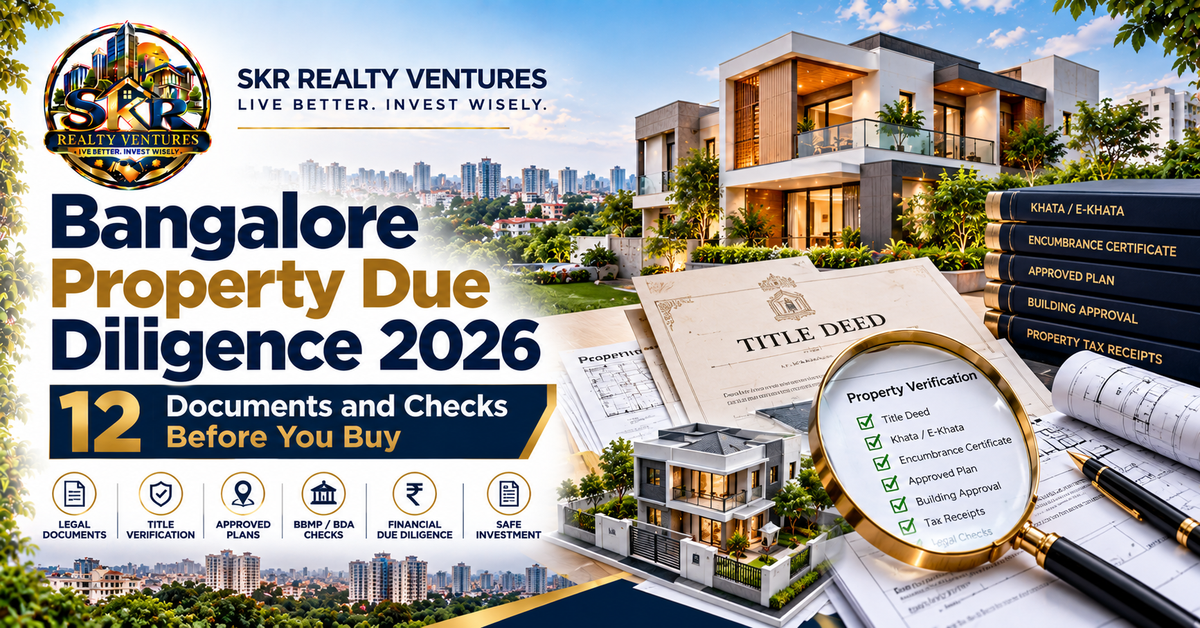
- Examine the land deeds to make sure the developer owns the rights and the property is free from debt.
- Review approved drawings, Commencement Certificates (CC), and environmental clearances from local authorities.
- Sign a detailed sale agreement that clearly states payment dates, delivery timelines, and penalty clauses.
Following this path protects your money and keeps you out of court. Hiring a property lawyer to read all papers before you sign is a smart move.
Step-by-Step Guide to Building a House in Bangalore
Building your own home requires a clear plan to handle workers and government offices. Planning early stops expensive changes and structural mistakes later.
- Buy a clean plot with an A Khata certificate from a trusted builder or the Bangalore Development Authority (BDA).
- Hire a skilled architect to test the soil and draw plans that match local boundary rules.
- Submit your drawings to the BBMP or BDA to get your official building license.
- Choose a licensed builder after checking their past work and signing a clear price contract.
This step-by-step path keeps your project legal and within your budget. Talking often with your builder and designer helps fix errors fast.
Material Selection and Quality Standards
Choosing good materials is vital for a strong, long-lasting house. Cheap options can save cash now but cause leaks and structural cracks later.
- Buy top-quality TMT steel bars from known brands to ensure your pillars stand strong against tremors.
- Choose top cement for concrete works to stop tiny cracks and water leaks.
- Use safe, fire-resistant copper wires and reliable circuit breakers to prevent fires.
- Pick rust-free pipes, choosing CPVC for hot lines and UPVC for cold water lines.
Paying for good materials now saves massive repair bills over the decades. Always check material trucks at the site to ensure you get what you bought.
Water Security and Green Infrastructure
Water supply is a massive challenge in many parts of the city, making it a major point to check. Large complexes rely on public pipes, deep borewells, and private water trucks.
These communities have recycling plants that treat wastewater for gardens and flush systems, saving clean water. Private house owners must find their own ways to get steady water.
Setting up a rainwater harvesting system is a legal requirement by the BWSSB for new homes to help replenish the water table. You should also build a ten thousand-liter underground storage tank to collect municipal water.
Using low-flow taps and dual pipes helps manage water usage. Doing this early secures your water supply and cuts down your bills for private water trucks.
The Verdict: Aligning Your Choice with Your Vision
Choosing your path requires balancing your lifestyle with the realities of Residential Property Development in Bangalore. There is no single right answer since both options offer unique ways to live in India’s tech capital.
If you want quick moving dates, shared gyms, strong safety, and an easy life, buy a flat. This path suits busy people who want a simple, pre-made setup.
If you want complete design freedom, high land growth, full privacy, and the joy of building your own place, build a house. This road demands patience, close eye-on-site management, and a hands-on attitude.